The Farmhouse
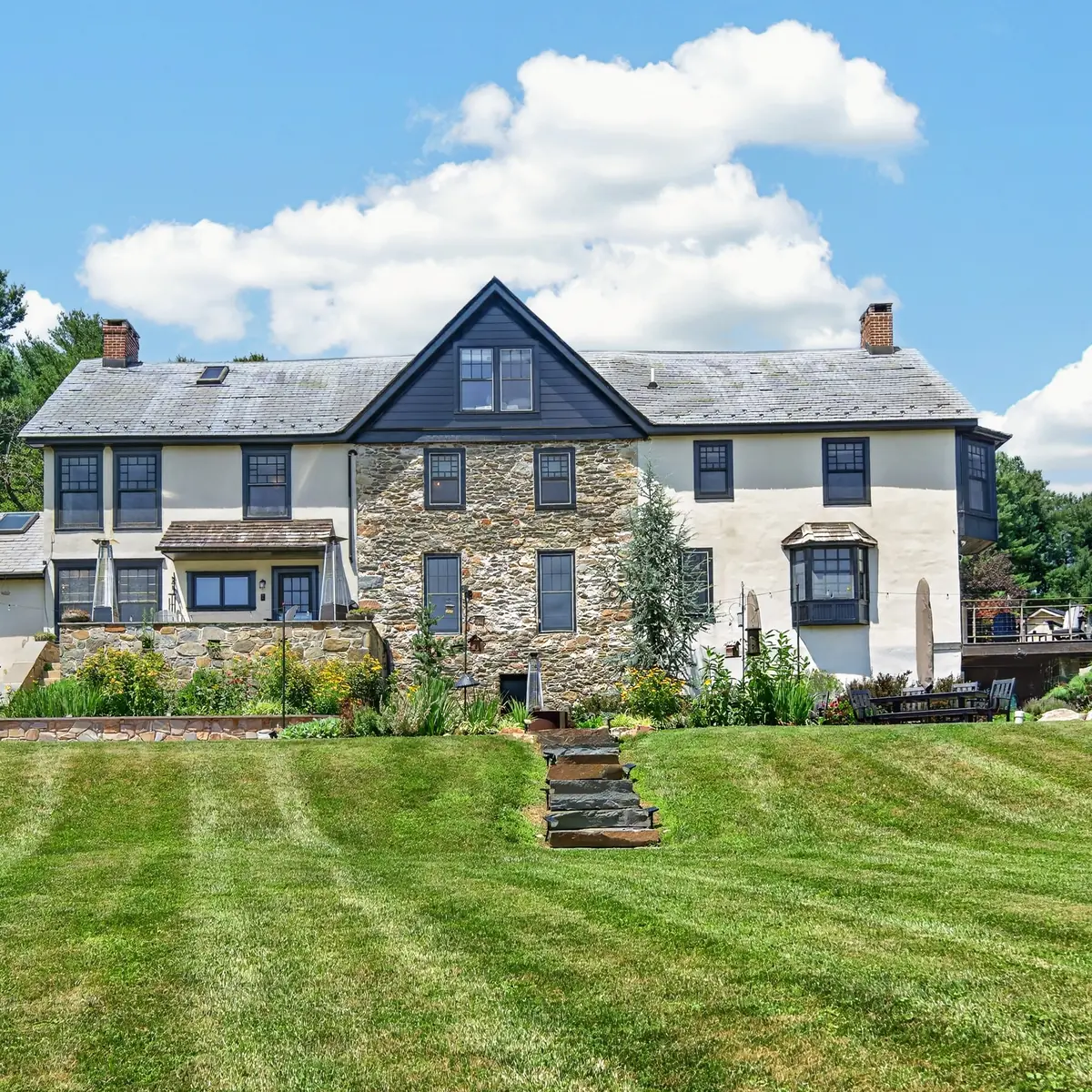
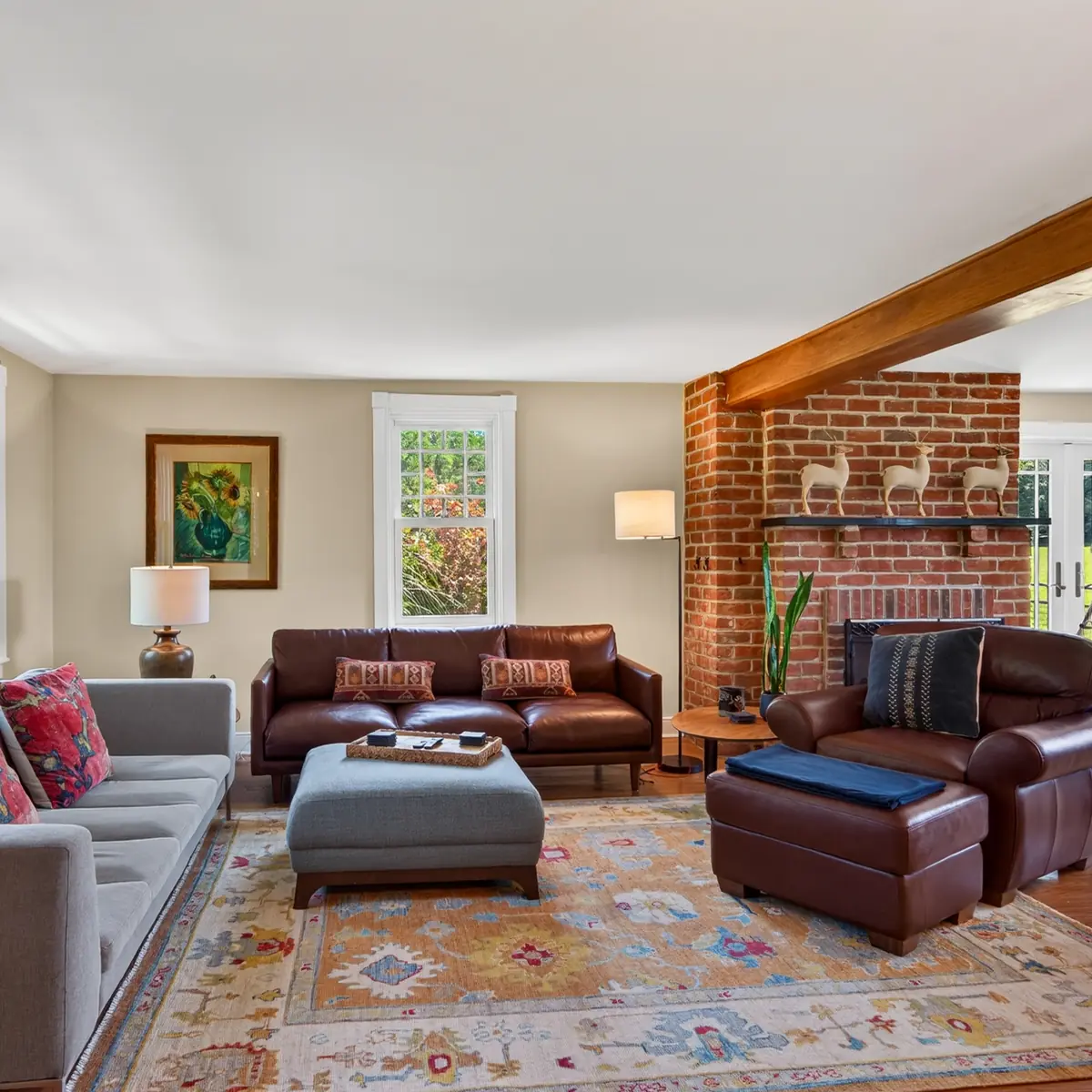
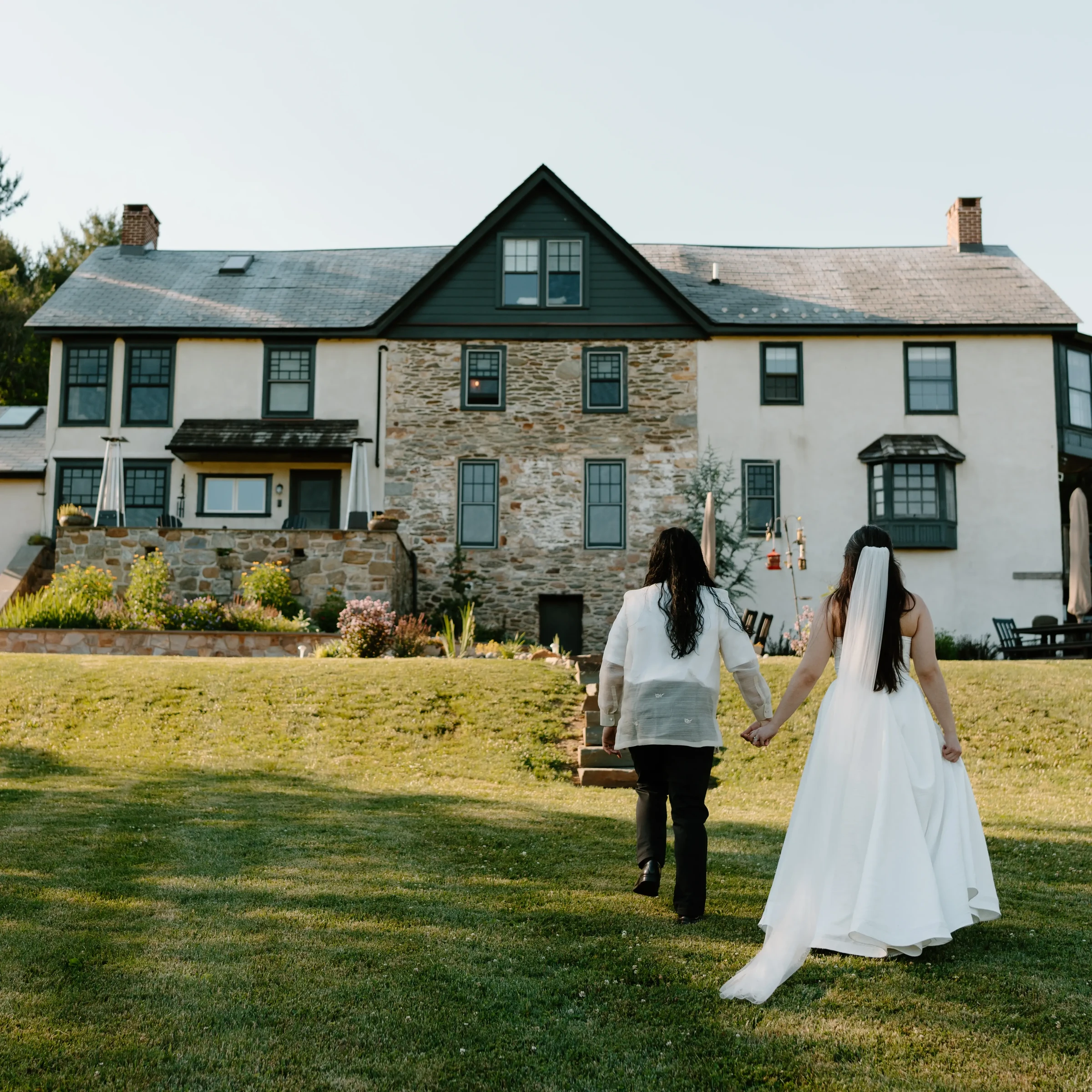
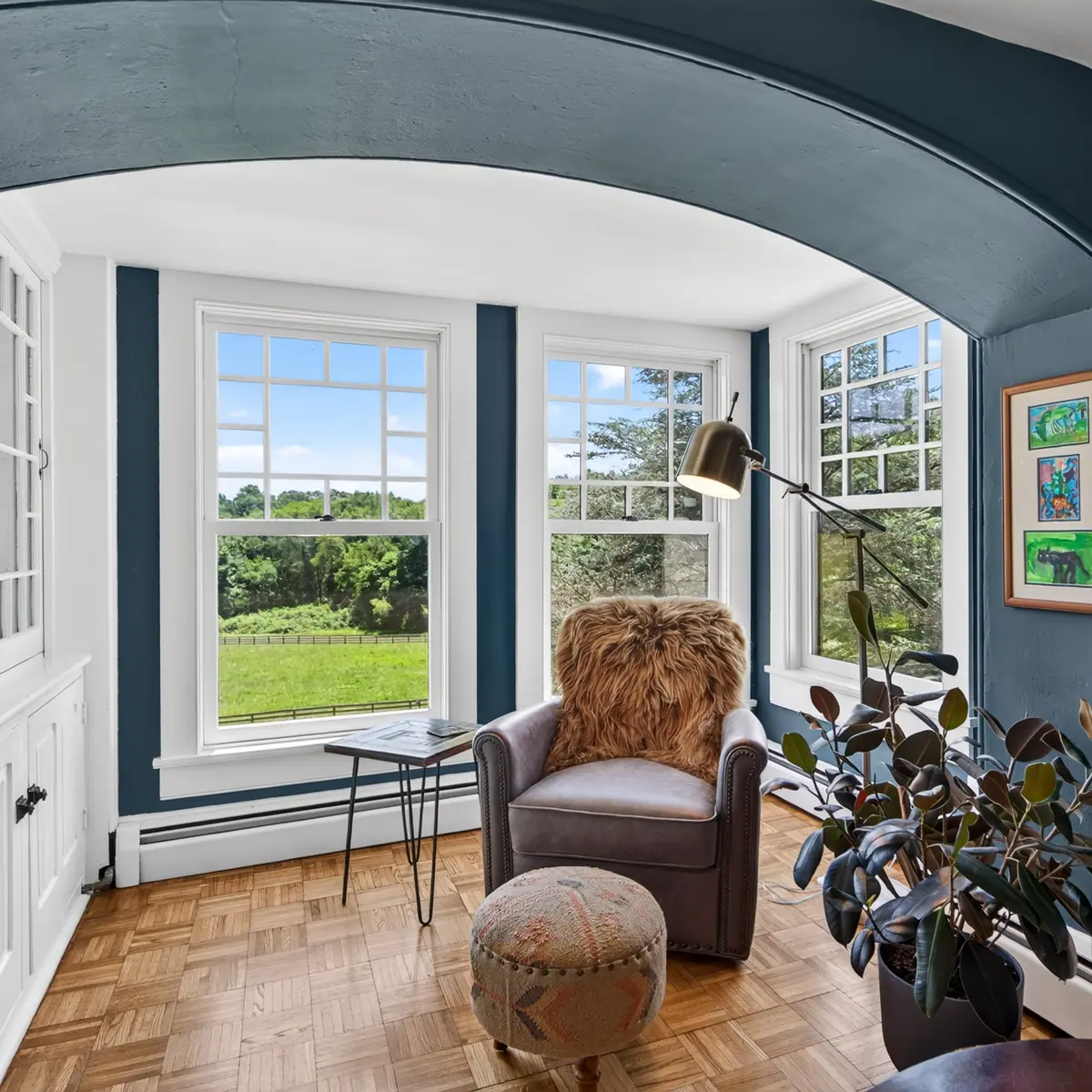
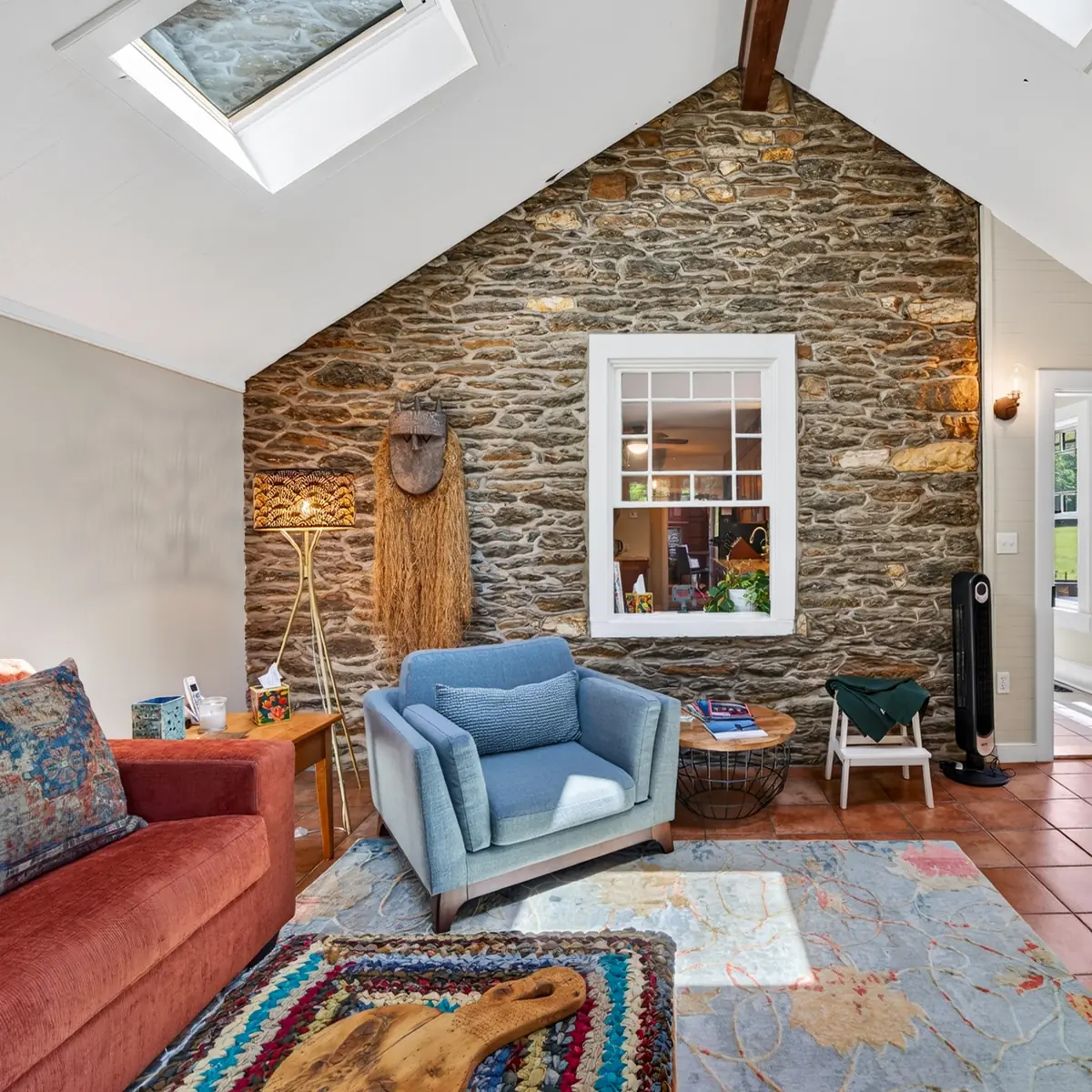
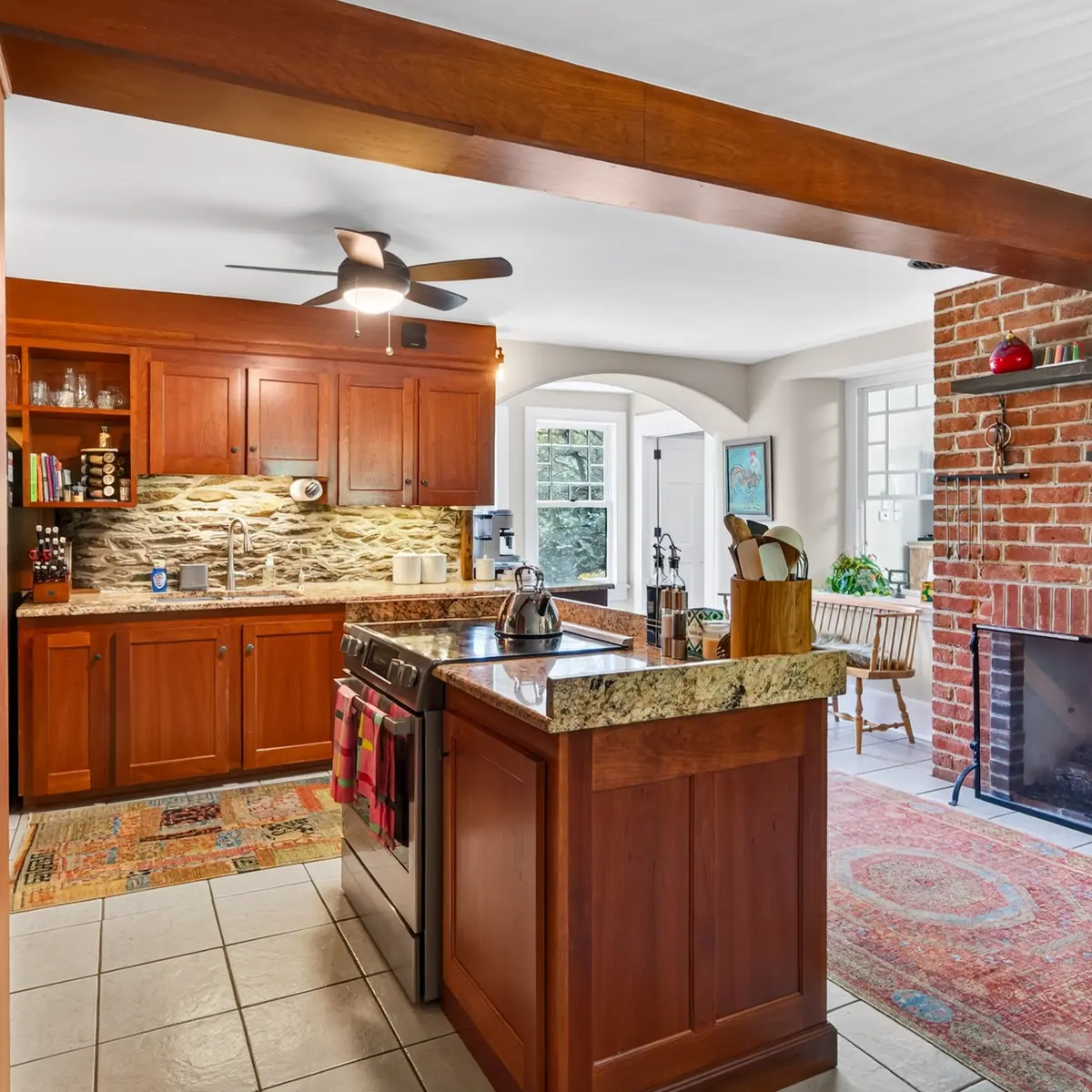
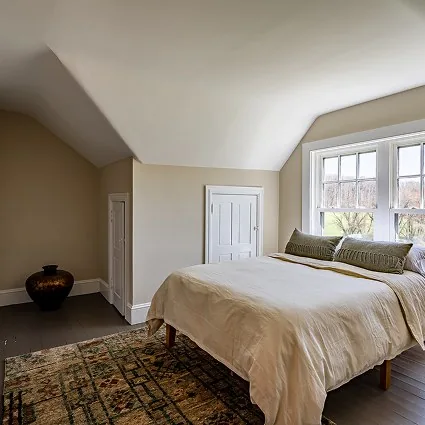
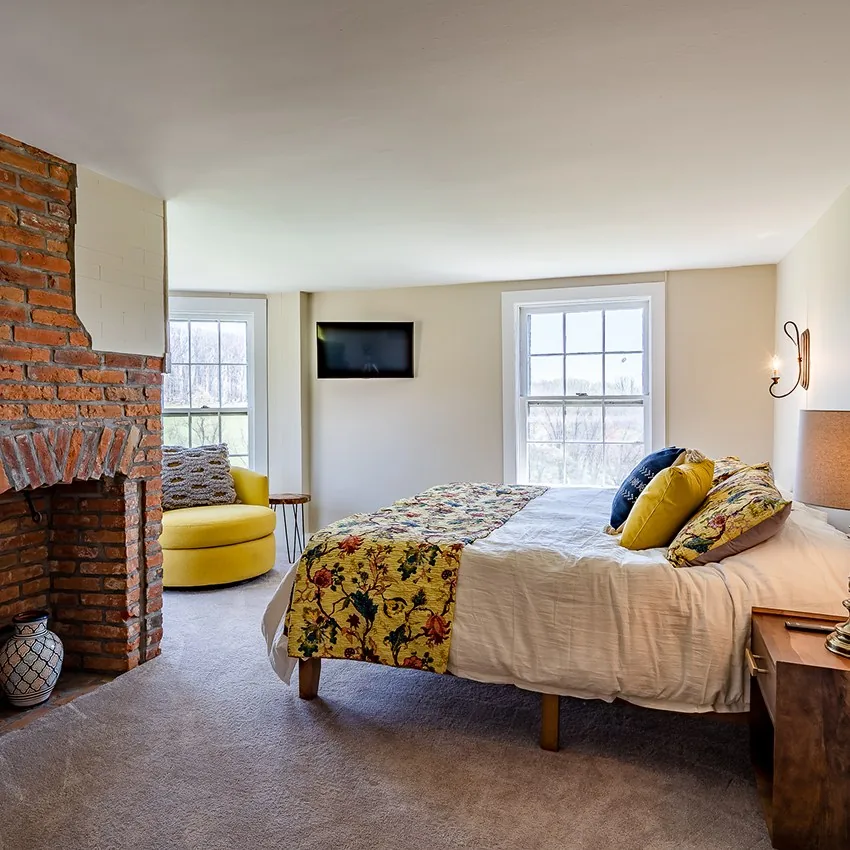
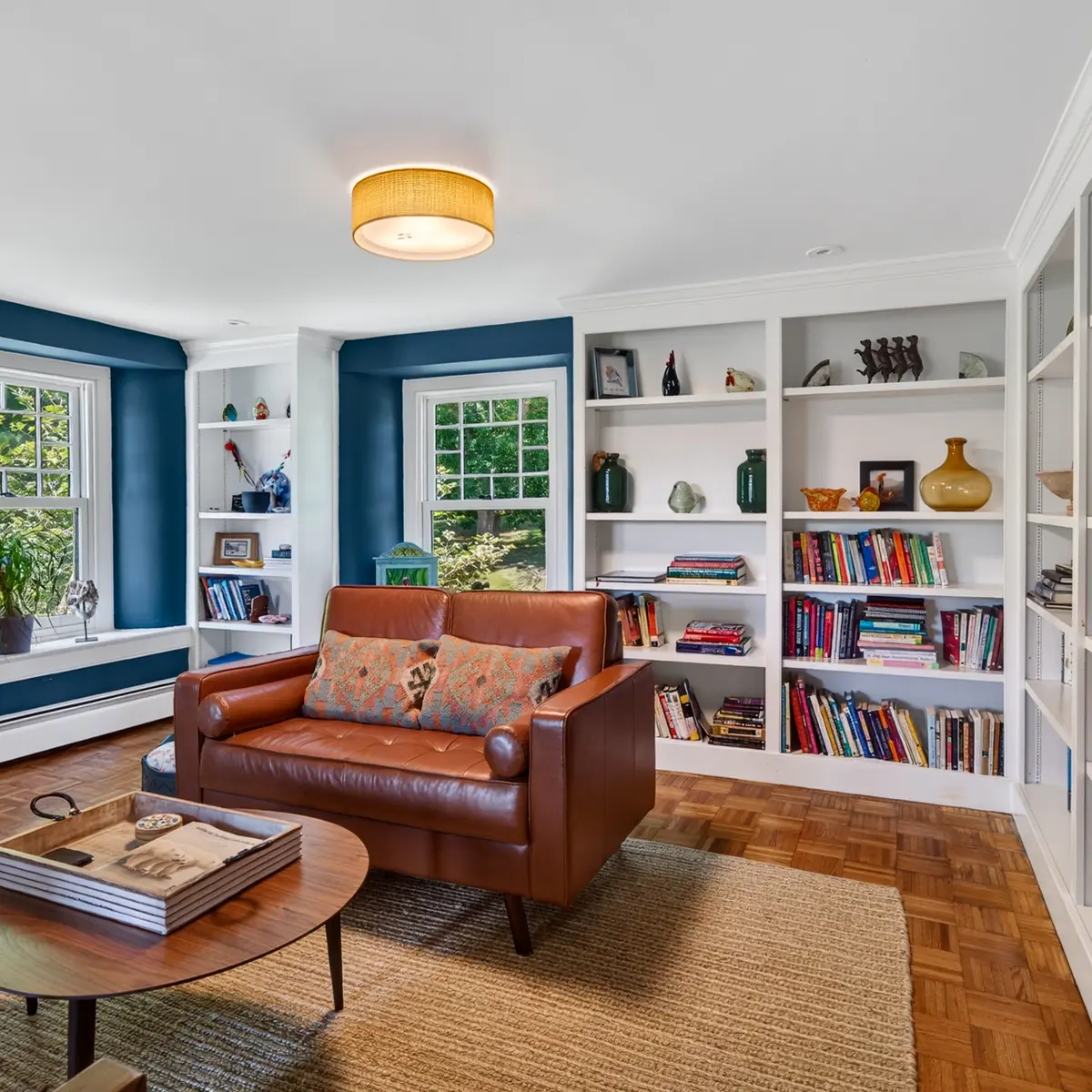
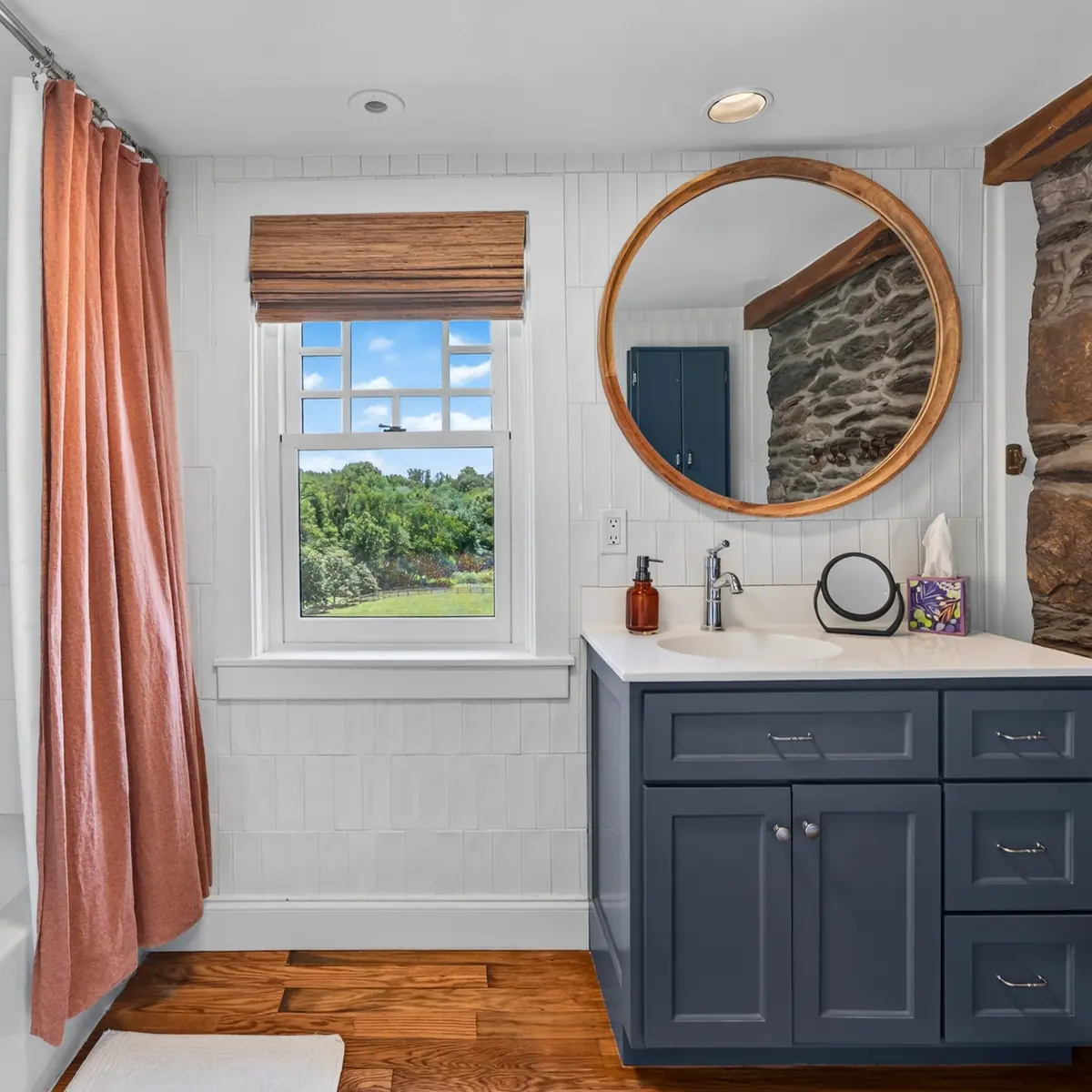
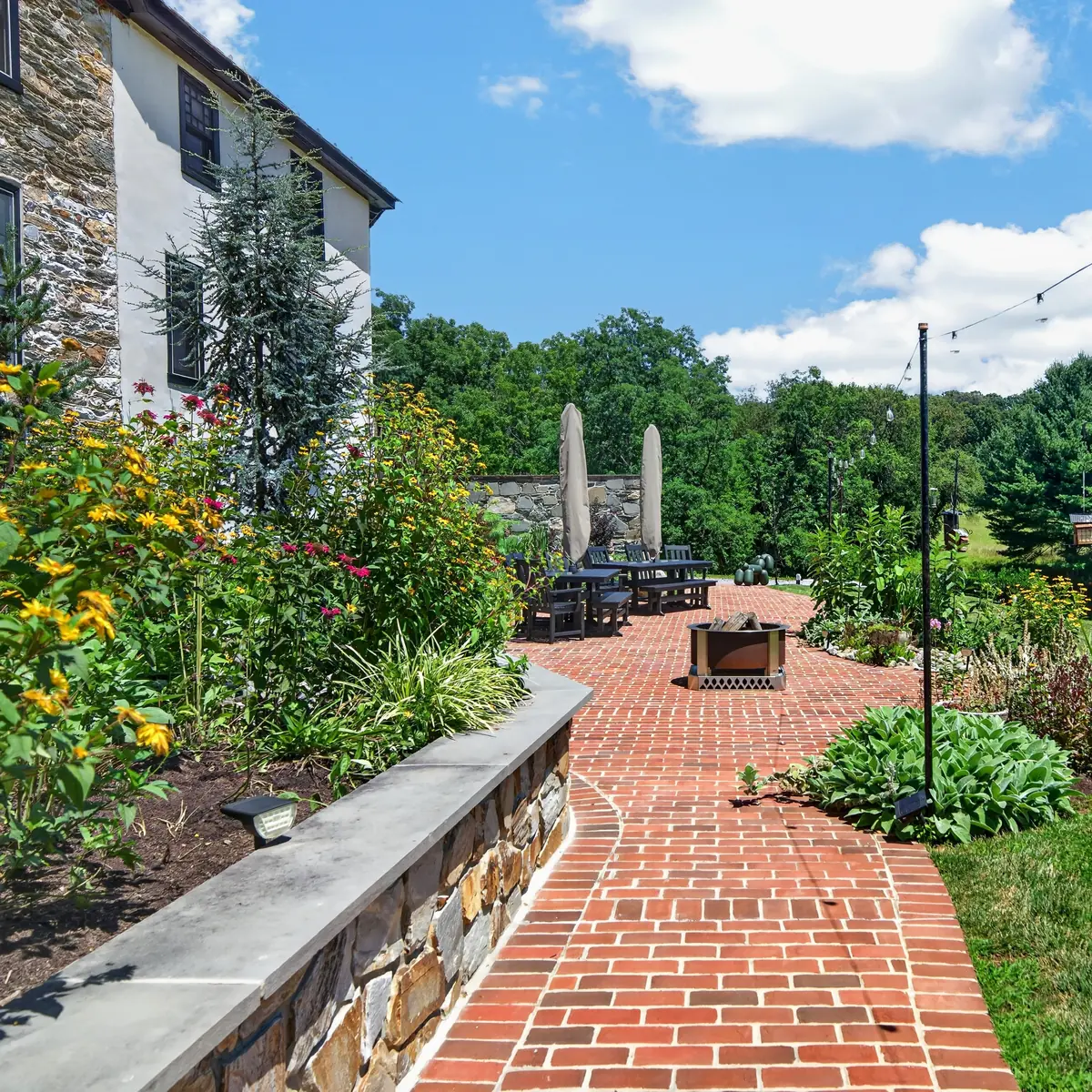
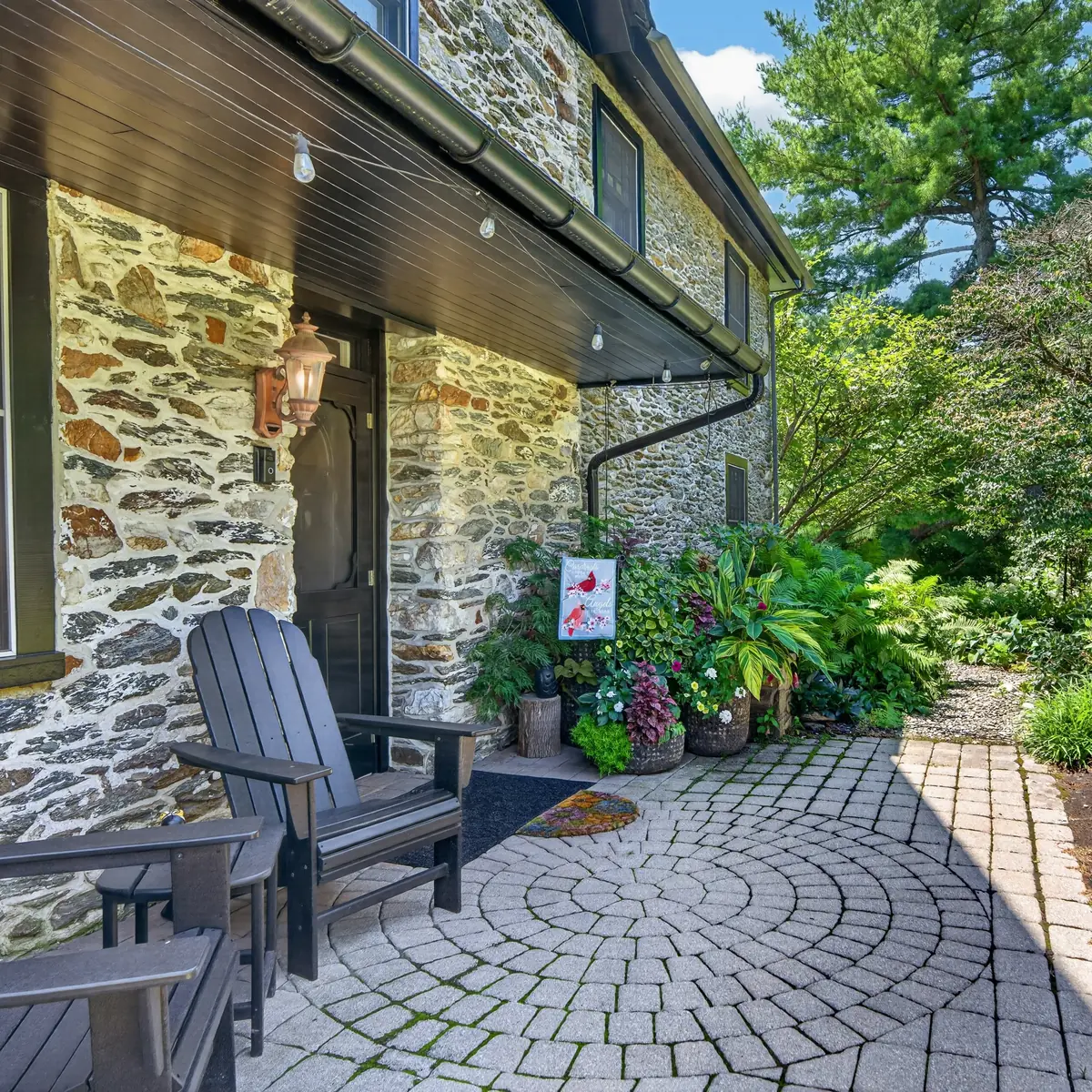
The oldest soul on the 92 acres. The Farmhouse at Historic Buck Run is a meticulously restored 18th-century stone home serving as the private quarters for our top-tier sanctuary benefactors. This is where you wake up, pour your coffee, and watch The Sanctuary herd graze before the rest of the world arrives.
Explore Benefactor Tiers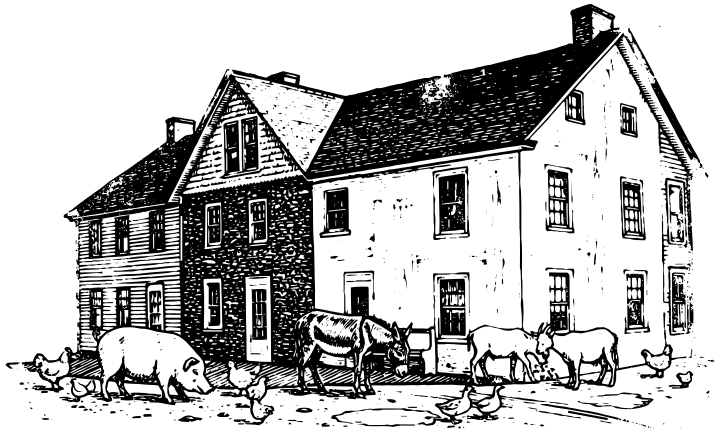
The Historic Buck Run
Centuries in the Making

Located in Chester County, PA, Historic Buck Run Farm is defined by over two and a half centuries of documented history. Situated on the south side of Buck Run Road, just west of Route 82, and geographically positioned three miles south of Coatesville and ten miles west of West Chester, the expansive estate encompasses rolling terrain, woodlands, and historic structures. Today, the property operates as a premier event venue and an animal sanctuary, maintaining a verifiable link to the early colonial foundations of the region.
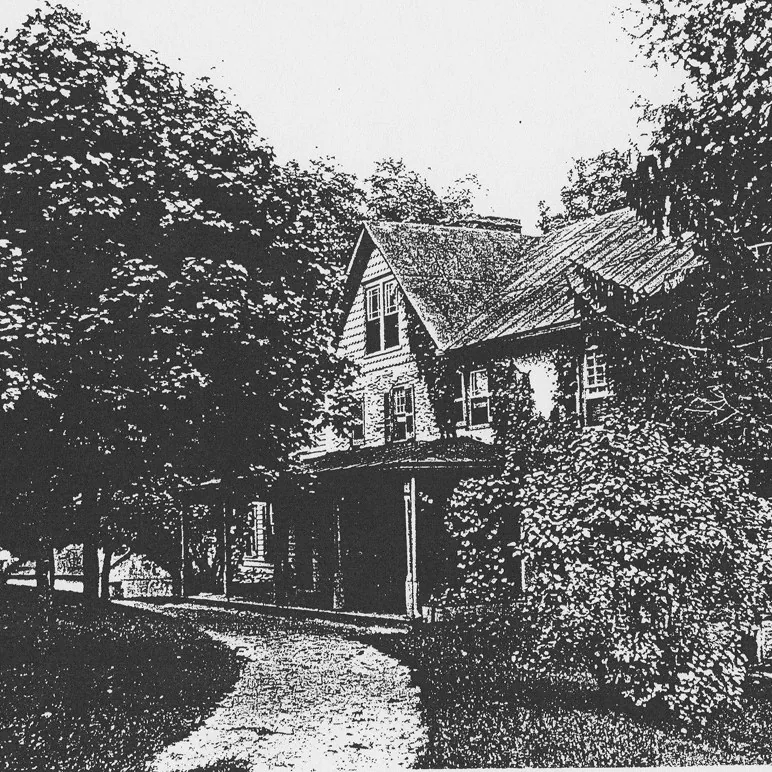
The recorded legal history of the farm originates in colonial Pennsylvania. The foundational property lines were established by a land grant patent issued in 1765. This original grant was executed by John and Thomas Penn, the sons of Pennsylvania founder William Penn, and was awarded to an early settler named John Wiley. The legal title for this specific tract transferred sequentially from Wiley to a buyer named Wasson, subsequently to a landowner named Passmore, and eventually to Joseph Welch. During this period, the core architecture of the farming estate was established. The original section of the property's massive Fieldstone Residence was constructed circa 1765, serving as the sturdy residential anchor for the agricultural operations. A significant architectural addition was later completed circa 1803, expanding the stately fieldstone home to include ten bedrooms, three bathrooms, and seven working fireplaces.
The property's most extensively documented and culturally significant era began with the arrival of the Walton family. In 1795, William Walton and his wife, Hannah Shoemaker Walton—married at Horsham in 1788—purchased two adjacent tracts of land from Caleb Phipps for the sum of four hundred pounds. Tract 1 consisted of 74 acres situated on the west side of the Gum Tree, or Cochranville, road. Tract 2 comprised 30 acres located on the east side of the same road, situated prominently on the north bank of Buck Run. The couple established their family homestead on this second tract, officially naming the property “Rokeby”. Three of their seven children were born at the Rokeby homestead between 1798 and 1805. In 1820, William Walton deeded the 30-acre Rokeby tract to his 28-year-old son, Joseph Walton.
Joseph Walton married Abigail Mann in 1821, and their shared, deeply held Quaker faith became a defining characteristic of their stewardship of the land. Early in their marriage, the devout couple temporarily relocated to Tunesassah, New York, dedicating their time to working as Quaker missionaries alongside the Seneca Indians. Upon returning to Chester County, Joseph and Abigail actively expanded their agricultural holdings. In 1834, they purchased a neighboring farm consisting of approximately 82 acres from the estate of Joseph Welch. This pivotal 1834 acquisition formally integrated the original 1765 John and Thomas Penn land grant into the Walton family’s footprint. The Waltons named this expanded farming operation “Alnwyck,” a property that would remain a cornerstone of their family for nearly eight decades until it was sold by Dora Walton, the widow of Joseph S. Walton, in 1912.
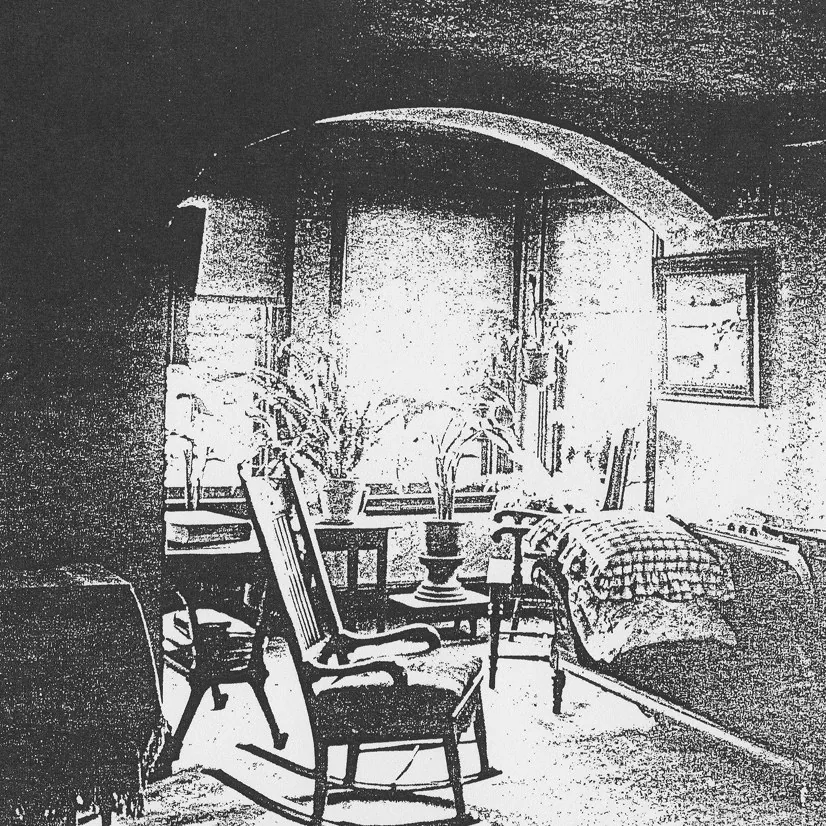
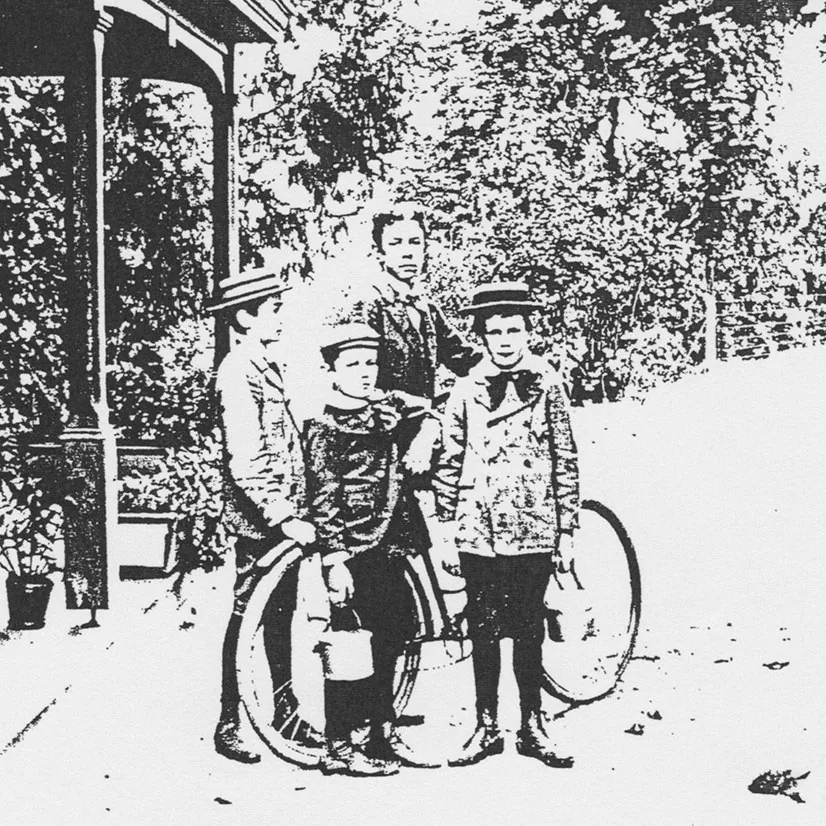
The Waltons were steadfast, practicing Quakers, and several members of the extended family served as prominent Quaker ministers while simultaneously operating the farm. Their religious convictions profoundly influenced the moral culture of the Alnwyck estate. Historical correspondence from Walton descendants confirms that the family was conscientiously opposed to the institution of slavery. Furthermore, they were noted by descendants and local historians as being deeply sympathetic, and likely cooperative, with covert efforts to assist escaping slaves. Because the surrounding Ercildoun area and its local Quaker meetings were historically central to the operations of the Underground Railroad, the Walton farm stood as a place of moral conviction during a deeply fractured era in American history.
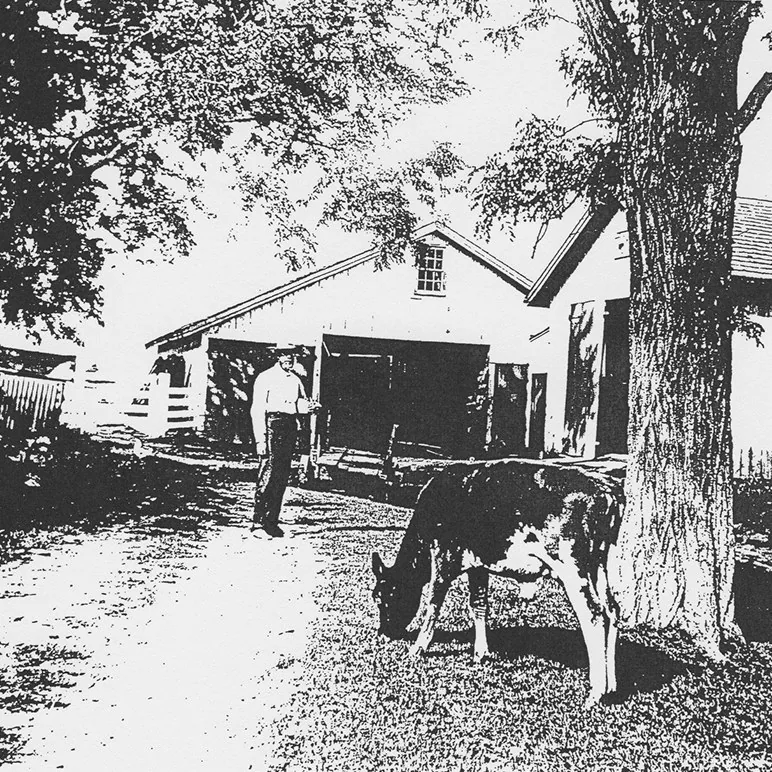
By the mid-twentieth century, ownership of the sprawling estate had transitioned to the Laird family, operating specifically under the stewardship of J. L. Laird, Jr.. During his tenure, the estate was formally marketed under the name “Holly Springs Farm”. A mid-century absolute auction flyer cataloged the expansive 91.9-acre estate, highlighting its highly desirable partially wooded acreage and a large, clear, spring-fed pond. The origin of the name “Holly Springs” was not an arbitrary real estate choice; it derived directly from the landscape itself. The nomenclature originated from a Walton family descendant’s vivid childhood recollection of a notably large and attractive holly tree that was situated directly next to the property’s historic spring house. In the late twentieth century, historical records—including deeds, maps, and title abstracts spanning from 1765 to 1958—were preserved and shared among residents and descendants, ensuring the farm’s legacy remained intact. These descendants also retained late-nineteenth-century photographs documenting the working orchards, the threshing operations, and the original barns.
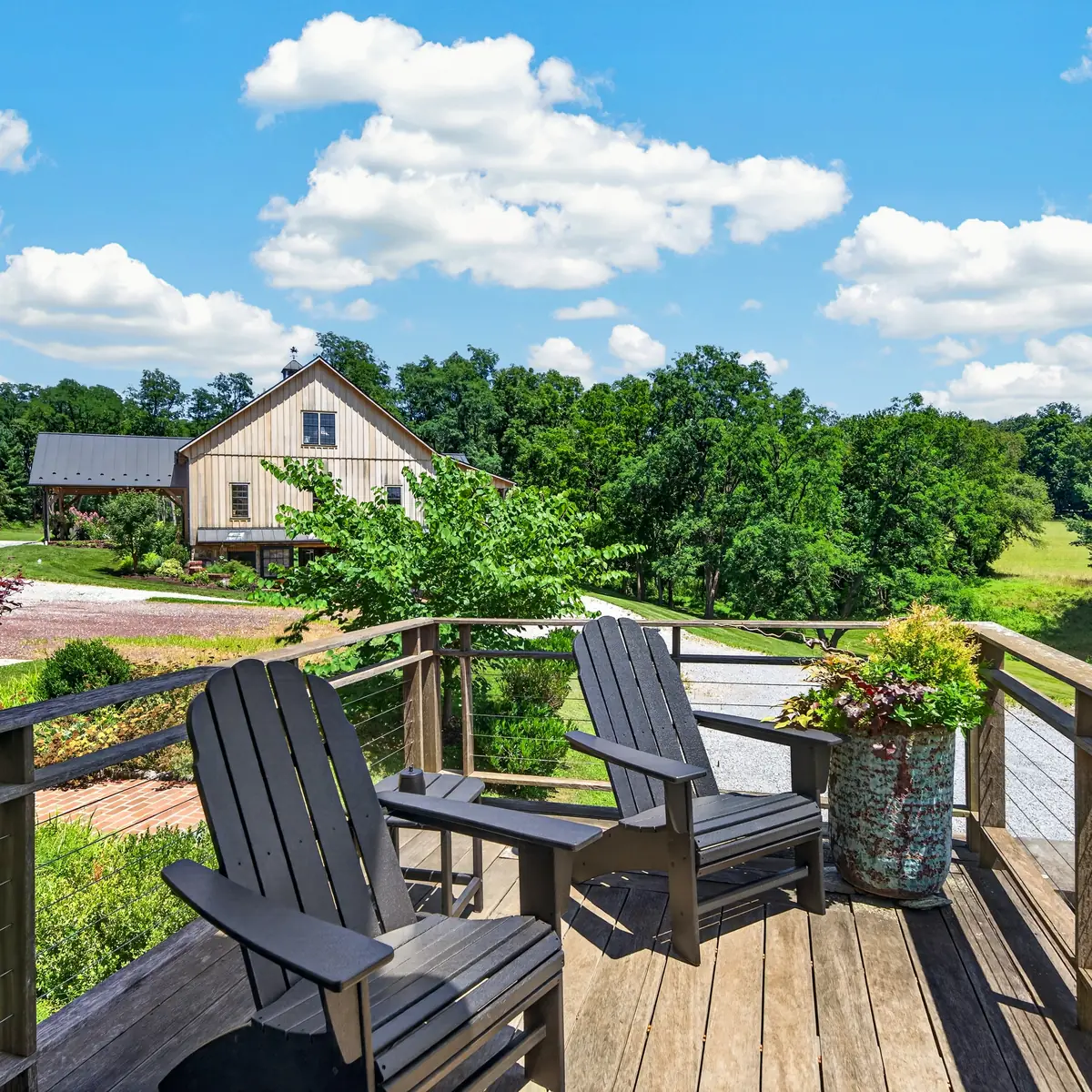
Today, the estate honors its centuries of architectural and cultural history under the modernized banner of Historic Buck Run Farm. The circa 1765 Fieldstone Residence, now known simply as The House, has been meticulously preserved to offer mindful accommodations, featuring separated wings designed for peaceful retreats and event preparation. The historic hand-hewn post and beam barn has been thoroughly restored, serving as a primary gathering space. Bridging the property’s historical Quaker legacy of compassion with modern conservation efforts, the farm currently operates an animal rescue known as The Sanctuary. Established in memory of a young man named JP, this sanctuary provides a permanent, protected home for livestock, including pigs, cows, donkeys, sheep, goats, and horses. This continuous, documented timeline, from the Penn family land grant through the Quaker stewardship of Alnwyck farm to its current life as a place of peaceful respite, secures the estate’s enduring narrative of refuge, heritage, and natural beauty.
Before & After
The Noise
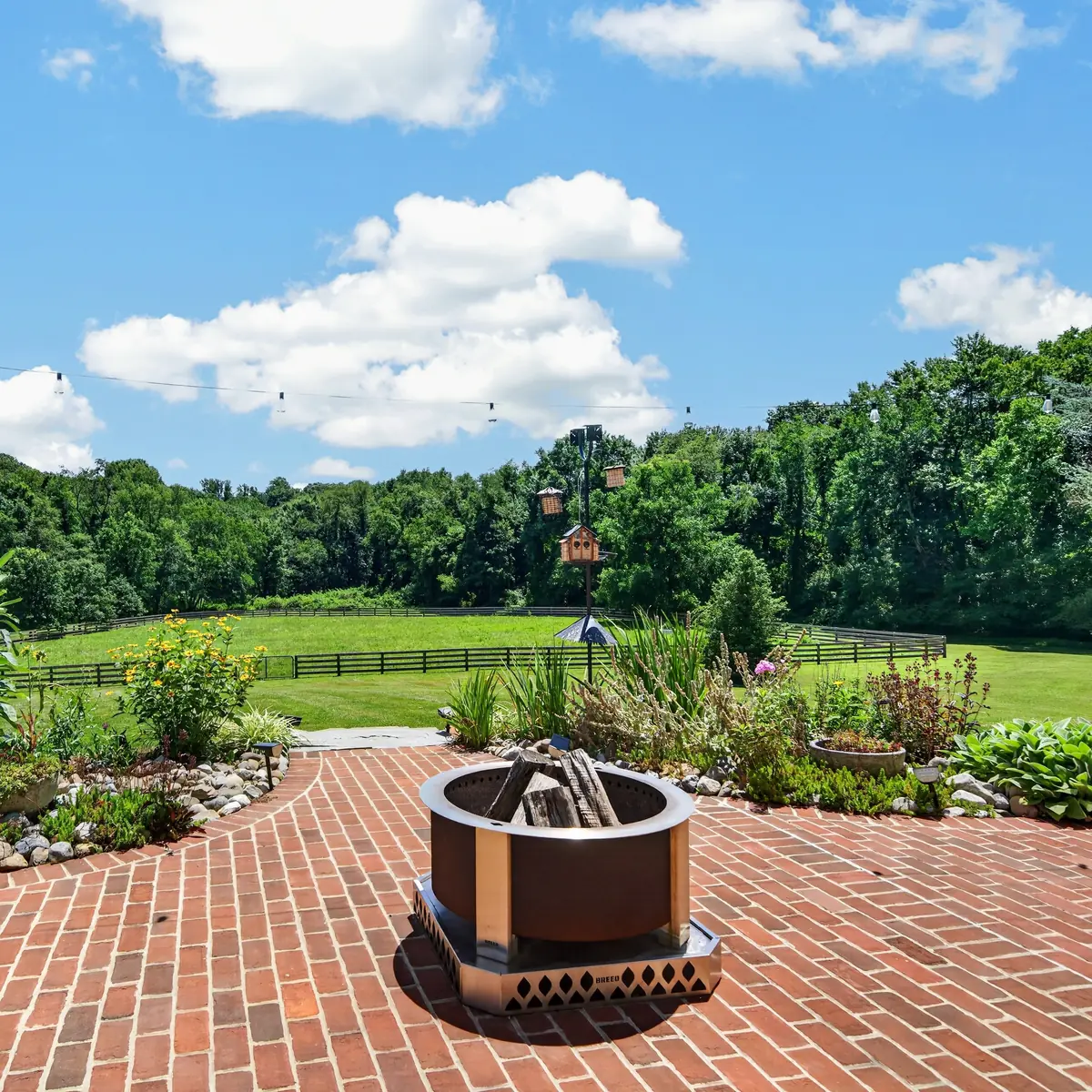
When you claim a top-tier benefactor package, The Farmhouse is yours for the duration of your stay. Host an intimate welcome dinner around the fire pit, take your morning coffee out to the pastures with the herd, and retreat to absolute privacy when the night is over. It’s not just a place to sleep; it’s your home base.
Explore Benefactor TiersNot a Benefactor Yet?
The Farmhouse is also available on Airbnb and VRBO (2-night minimum). Booking a stay does not include benefactor-level access to the property.